
The Most Dangerous Cleaning Combinations Hiding Under Your Sink
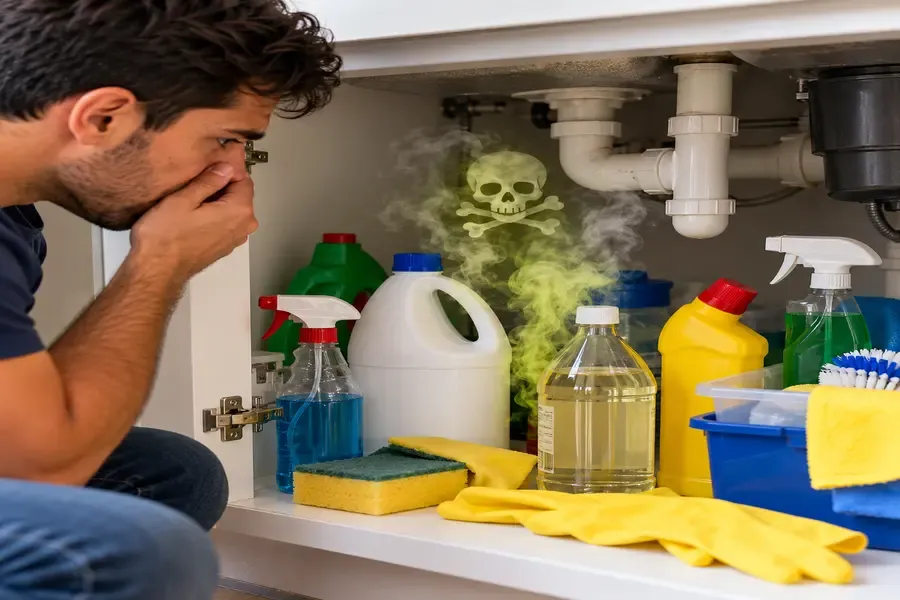
Key Takeaways
- Never mix household cleaning products unless the label specifically allows it
- Bleach should never be mixed with ammonia, acids or other cleaners
- Bleach and acidic products can release hazardous chlorine fumes
- Mixing bleach with ammonia can produce dangerous chloramine fumes
- Drain cleaners can cause severe chemical reactions when combined
- Always use products according to their Australian label directions
- Keep cleaning chemicals in their original containers
- Store household chemicals away from children and pets
- If dangerous fumes develop, leave the area and get fresh air
- Call the Poisons Information Centre on 13 11 26 for poisoning advice
Using the right household cleaners makes cleaning much easier, but mixing them or allowing them to come into contact can be very dangerous. Many contain strong chemicals that should never be combined. A mixture that seems harmless can release toxic gases or cause chemical burns. The risk often begins when people try to make one cleaner stronger by adding another. If you are preparing your rental for bond cleaning Toowoomba, understanding these risks can help you clean safely without damaging surfaces or putting your health at risk. In this blog, we will explore the most harmful cleaning combinations, why they are risky, and what you should do instead.
Knowing these hazards could help you keep your home, family and pets safe even when they’re getting clean. Australian health advises that certain cleaning products can release toxic gas when combined. It advises against mixing chemicals and to adhere to the instructions on the labels.
Why Cleaning Products Become Dangerous
Cleaning products are formulated with specific chemical ingredients and concentrations. Using a single product alone usually doesn’t give the same effect as mixing two products that shouldn’t be mixed. Mixing acids, bleach ammonia or high pH cleaners can cause several problems. A chemical reaction between them produces gases that can cause irritation or even be fatal, heat or corrosives. Besides, some mixtures can also hurt the surfaces, pipes and fixtures. Healthdirect identifies cleaning products as a common source of poisoning in the home. It further advises keeping chemicals in original containers and storing them safely.
Bleach And Ammonia Create Toxic Fumes
They are two ordinary cleaning solutions in the house but they form a deadly duo when mixed. You might find ammonia in some glass and window cleaners whereas bleach is made from chlorinated compounds which can react with ammonia. This process can result in generation of toxic chloramine gas. The vapours produced can irritate both the eyes, nose and throat. It is strongly recommended to never even touch bleach and ammonia together since the two react very violently together. Go outside and bring everyone from the house with you. Healthdirect advised people to open windows for fresh air after breathing in chemical fumes.
Bleach And Acids Are Risky
And never mix bleach with an acid-based cleaner. Some toilet, lime scale and mineral deposit removers can be acidic. In the process of this reaction toxic fumes are generated mainly consisting of chlorine. Breathing in these gases causes severe reactions like a cough and chest pains. People under the influence may experience difficulty breathing also. At times, people might apply one cleaning spray, follow immediately with another but have failed to properly rinse the surface between the two. This is especially dangerous in bathrooms where various specialized products might be kept together. Divergent ingredients can be found in toilet cleaners, mould removers and disinfectants. Do not mix bleach with acids or other cleaners as toxic fumes can be produced.
| Cleaning combination | Main concern | Safer approach |
| Bleach + ammonia | Chloramine fumes | Use separately |
| Bleach + acids | Chlorine fumes | Never combine |
| Bleach + other cleaners | Potential hazardous reaction | Follow label directions |
| Drain cleaner + another drain cleaner | Heat or chemical reaction | Use one product only |
| Different toilet cleaners | Unknown chemical reaction | Never mix |
Vinegar And Bleach Do Not Mix
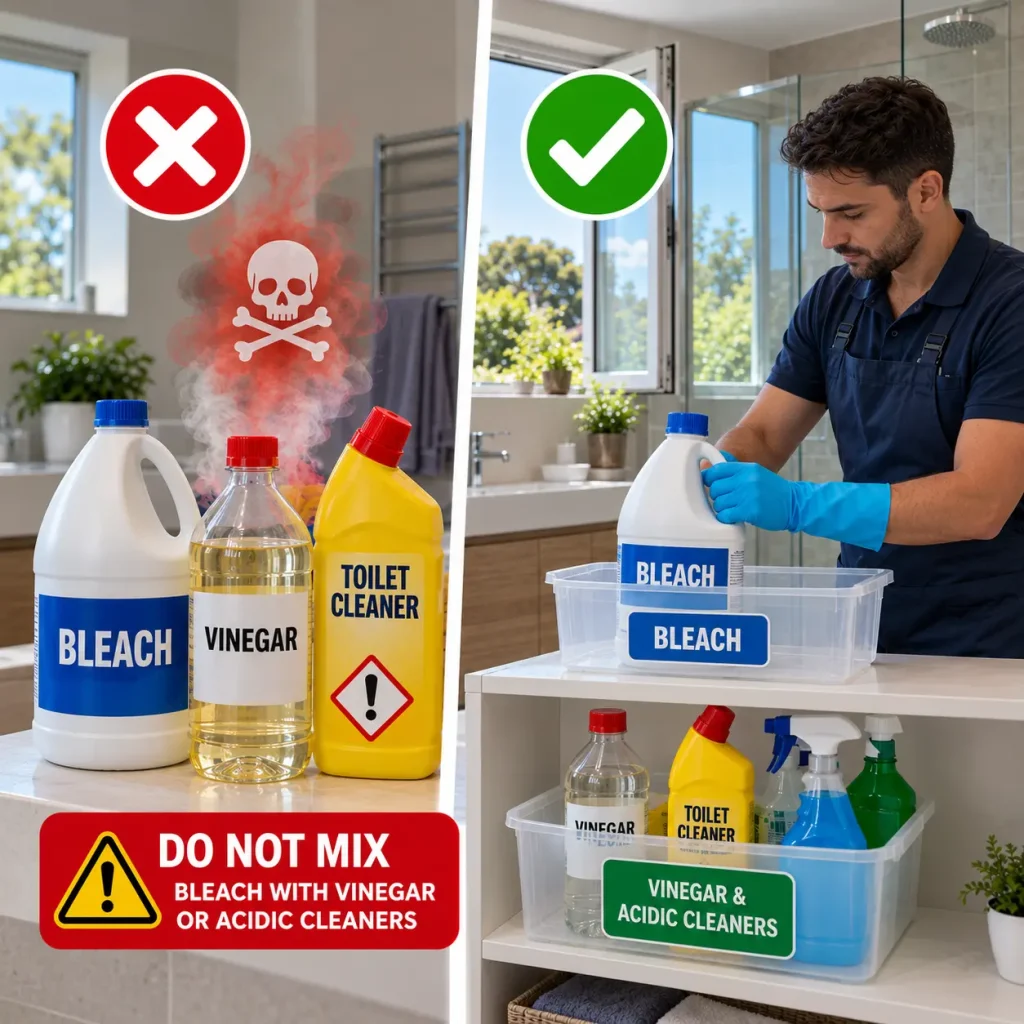
Vinegar is a multi-functional household cleaner mainly helpful in removing water spots from the kitchen. But natural or familiar do not equate to safe for use with other products. Vinegar is a weak acid and mixing it with bleach releases chlorine gas. We understand the two seem like a natural clean dream team but really people should stop cooking up two cleaning products in their mind’s oven. But in fact, together they can cause a gas and possibly an explosion. Clean the surface thoroughly each time before using a different type of cleaning product. Combining vinegar with bleach solution will produce deadly substances. In the case when there is a cleaner that can be a bleaching agent, it’s best to avoid pouring vinegar into it right away.
Drain Cleaners Need Extra Care
Pipe cleaners often contain aggressive chemicals capable of breaking down stubborn blockages. They are strong products that need to be handled carefully. Mixing two drain cleaners can cause unpredictable chemical reactions, dangerous fumes or splashing. Using a second chemical after the first has failed can make the problem worse. Never combine a store-bought drain cleaner with bleach, an acid or another drain opener. If exposure occurs, avoid unnecessary contact with the chemical. Chemical burns can be severe even when the visible injury appears minor. Healthdirect advises rinsing chemical exposure from the skin under cool running water for at least 20 minutes. This is especially important to remember during Toowoomba cleaning work.
Other Combinations To Avoid
Bleach isn’t the only culprit in risky combos. Combining various toilet cleaners, disinfectants, degreasers or specialized products can result in unexpected reactions. The ingredients in the product differ from brand to brand and from formulation to formulation. So it’s a bad idea to assume that two products will work together just because they are both intended for cleaning around the house. A good rule of thumb is simple: use one cleaner at a time. If you must switch products, rinse, dry or ventilate the surface as directed. Do not add any unused chemicals together over concerns for storing them.
| Product type | Avoid combining with | Why caution matters |
| Bleach | Ammonia | Can produce hazardous fumes |
| Bleach | Acidic cleaners | Can release chlorine fumes |
| Drain cleaner | Another drain cleaner | May cause dangerous reactions |
| Toilet cleaner | Other toilet products | Ingredients can react |
| Disinfectant | Unspecified cleaners | Chemical compatibility is uncertain |
In the lack of a clear indication of product compatibility, assume that the products cannot be mixed. Read both labels or call the company for advice.
How To Clean More Safely
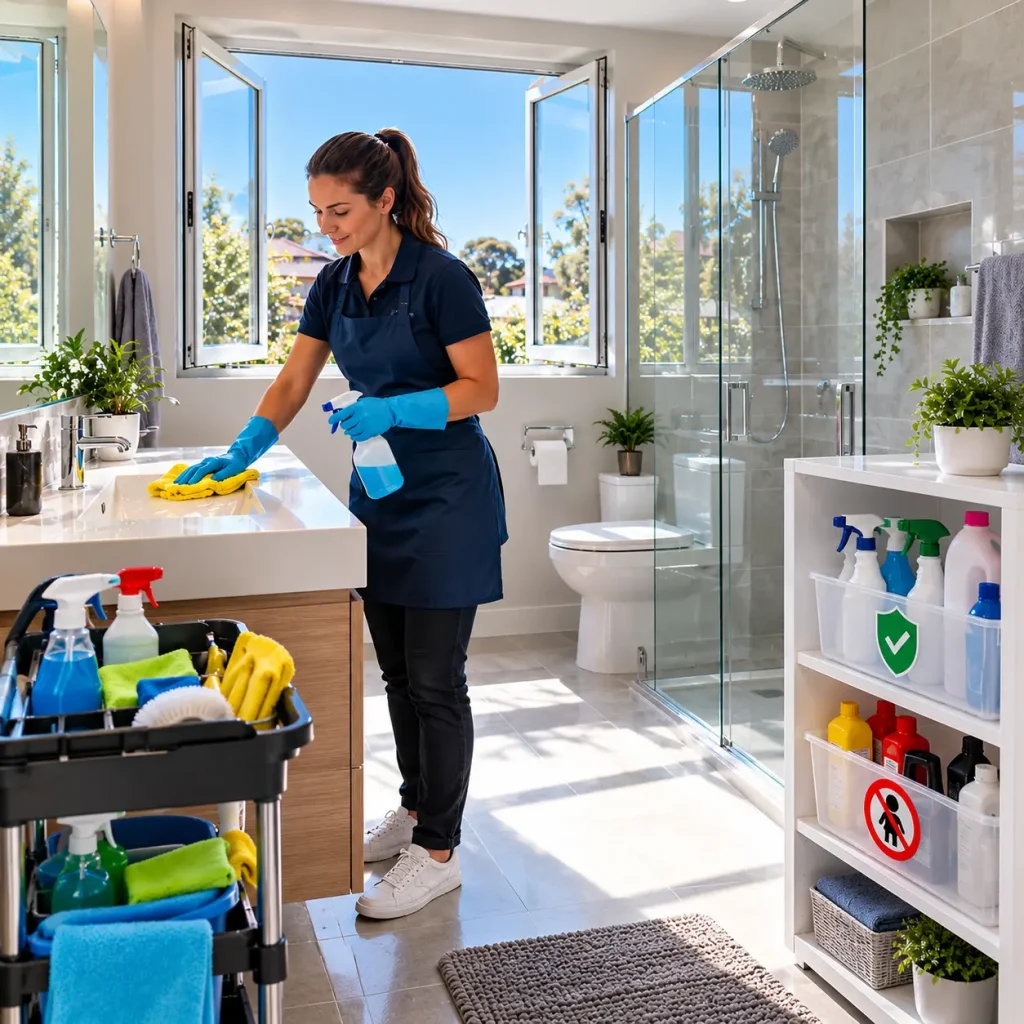
Safe cleaning doesn’t require the use of lives that are tough to stick to. Read the product label before you open the bottle. Use as directed on ventilation if or how for the amount of. Don’t ever transfer chemicals out of the original containers. It makes it easier to identify the product in an emergency. Store cleaning products separate from food, medicine and personal-care products. Healthdirect also advises products should be left in their original containers with a clear label. When a product has ventilation requirements, open windows or doors. Gloves or eye protection should be worn if so indicated on the label. From what we can tell, a typical safer cleaning approach tends to be more powerful than trying to scale up a DIY mix.
What To Do After Accidental Mixing
Cleaning chemicals are usually dangerous when combined. In such events, your priority is not to stay at the scene of the leak but to ventilate in fresh air. And do not allow persons or pets to enter the area. Don’t stay inside to see what went wrong. Healthdirect an expert’s guide to if you breathed in toxic chemical steam get outside if you have been breathing in poisonous chemical steam. If a person develops difficulty breathing, has a severe cough, chest pain, passes out or experiences other symptoms that are really bad, ring the Poisons Information Centre at 13 11 26. Healthdirect suggests at least 20 minutes of uninterrupted rinsing of chemical burn. Don’t neutralize a chemical spill by adding another household chemical. That could produce another reaction.
Keep Your Cleaning Routine Safe
Household cleaning does not require the strongest products, but rather the right product used correctly. Dangerous cleaning combinations can make your home unsafe by creating harmful gases or causing serious skin burns, especially when bleach, ammonia, strong acids or drain cleaners are mixed. A few simple 5-minute cleaning hacks that keep your home spotless all week can make daily cleaning easier while reducing the need for harsh products. Always keep unused cleaners in their original bottles and store them safely. These simple habits can help keep your home clean, comfortable and safe for everyone.
Frequently Asked Questions
Can bleach and vinegar be mixed?
No, Vinegar is acidic and mixing it with bleach can release hazardous chlorine-containing fumes. Use them separately.
What happens if bleach mixes with ammonia?
Bleach and ammonia can produce dangerous chloramine fumes. Leave the area, get fresh air and seek advice if exposure occurs.
Can I mix two drain cleaners?
No, different drain cleaners may contain strong chemicals that can react. Use only one product according to its label.
Who should I call after exposure?
In Australia, call the Poisons Information Centre on 13 11 26 for poisoning advice.
Related Posts

Tips and Tricks for House Cleaning with Magic Erasers
Have you ever wondered why you have a stubborn stain on your wall or in…

How To Clean Black Mould Naturally From the House
Is black mould present in your house? Are you unable to remove it or find…

Can AI Help Create Better Cleaning Schedules for Homes and Offices?
Cleaning Schedules: How AI Improves Home & Office Care Are dust bunnies making your home…