
What Cleaning Frequency Works Best in Humid Climates
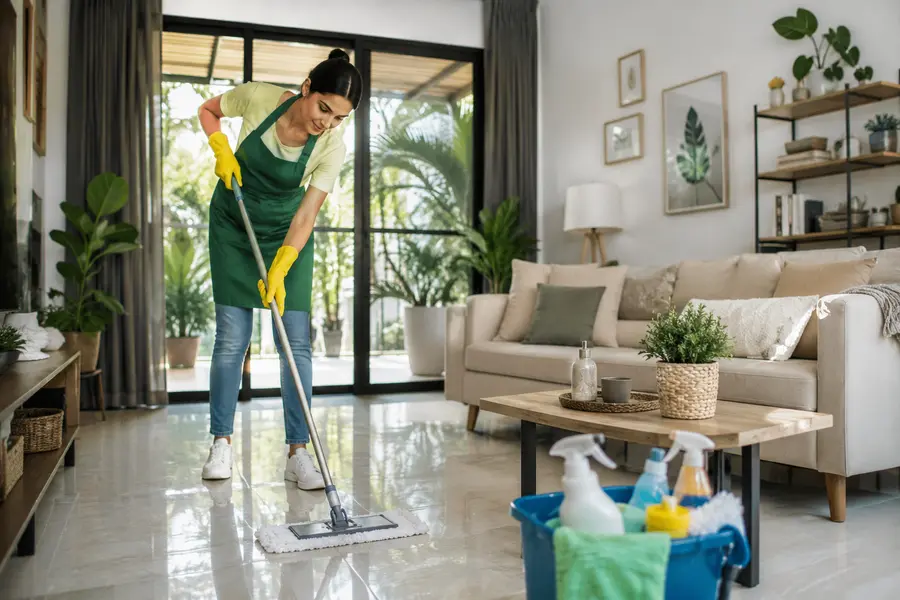
Cleaning Frequency for Humid Climates | Australia
The humidity has its way of turning a clean house to a dirty one in a much more rapid manner than people would actually think. The warm and wet air actually helps the development of mould, mildew dust mites and bacteria which causes very bad odours and also promotes the growth of various organisms way too rapidly when compared to drier areas. A clean home could still feel quite grimy and wet without implementing the appropriate cleaning routine. Learning how frequently to clean in your humid locality will be the key to you protecting your home, making your indoor air healthy for living and saving you on expenses through maintenance work.
In this blog we will cover the recommended cleaning, maintenance tips and easy habits that can keep your Australian home fresh all year round.
Why Humidity Changes Cleaning
Humidity is a spotlight for living things that like wet conditions. Dry particles tend to get glued onto wet surfaces, fungi multiply in the damp corners of our homes such as the toilet and the cooking area, the fabrics take moisture which after some time leads to a foul smell. One has to deal with the problem even in those homes which sit by the sea or are near the tropical regions of Australia. The moisture problem can be the case with them even during the change of season. Don’t wait for dirt and dust to be visible, frequent cleans can remove micro-dirt until it threatens the health of your family or your home.
Areas Needing Frequent Care
All rooms don’t demand the same cleaning schedule. Certain areas like the bathrooms, kitchens, laundries and hallways get damp a whole lot faster than the other bedrooms or living rooms. Some parts like shower screens, grout exhaust fans, sinks and kitchen splashbacks need extra love as it is the combination of water and grease that encourages mould growth. If you focus on the ones that have a greater risk of getting wet, this way you not only reduce the concentration of allergens floating around the room but also your entire home remains healthy and fresh while you don’t have to spend more time on cleaning.
| Area | Recommended Cleaning Frequency | Reason |
| Bathroom | Every 2–3 days | Prevent mould and mildew |
| Kitchen | Daily | Remove grease and moisture |
| Laundry | Weekly | Reduce damp odours |
| Living Room | Weekly | Control dust and allergens |
| Bedrooms | Weekly | Prevent dust mites |
| Carpets | Every 6–12 months | Deep moisture removal |
Daily Cleaning Essentials
Routine cleaning is probably the easiest method of getting rid of excessive moisture beforehand. Drying kitchen utensils, clearing off steam from shower walls, getting rid of the water from waste bins plus letting in the fresher air by opening windows will really cut the level of moisture and improve ventilation. Little daily habits stop dirt and grime from becoming ingrained and therefore reduce the amount of heavy duty cleaning in the future. These basic humid weather cleaning tips also contribute to a cleaner indoor air environment. When you spend just 15 to 20 minutes a day on some daily necessities, you’ll see a difference not just in the cleanliness but comfort and general hygiene of every room in your house.
Weekly Deep Maintenance Tasks
Dust, humidity and bacteria will quickly multiply on your walls and furniture so you can’t forget weekly cleaning at the place where everything builds up. Besides this, don’t forget to get the dirt out of the vacuum bag or bagless filter of a HEPA-filter vacuum, clean hard floors, wipe down bathroom surfaces with sanitizing agents, scrub mirrors with a cleaning cloth and disinfect those door handles that are being cleaned the most often. This weekly routine is a good guide to aim for to achieve the best cleaning frequency in humid climate homes. Regular cleaning effectively eliminates mould spores that threaten to get out of hand and also protects your beloved flooring, furniture and fittings from being ruined.
| Weekly Task | Benefit |
| Vacuum carpets | Removes allergens and dust mites |
| Mop floors | Eliminates sticky residue |
| Clean bathroom tiles | Prevents mould growth |
| Dust furniture | Improves indoor air quality |
| Wipe windows | Reduces condensation marks |
| Clean exhaust fans | Improves ventilation |
Monthly Deep Cleaning Routine
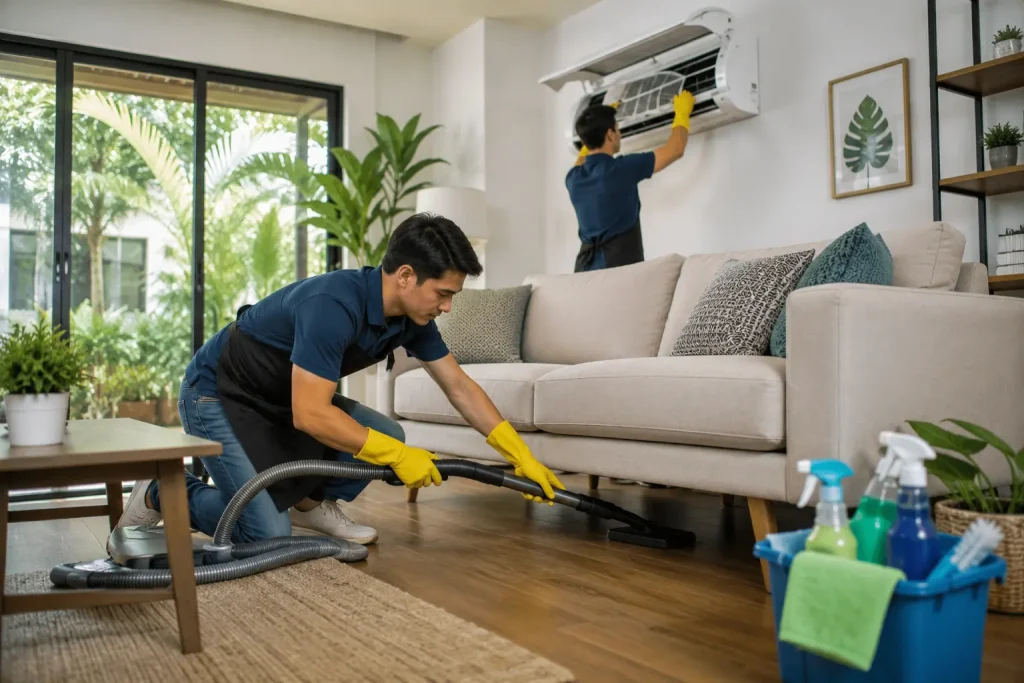
Monthly deep cleaning covers up places that once routines daily and weekly ones batteries of overlook. Clean air conditioning filters, dust skirting boards, disinfect bin bags and hoover beneath furniture by moving it. As part of your monthly routine, scheduling deep fabric care for carpets and upholstered furniture helps remove trapped moisture, allergens and hidden dust that regular vacuuming cannot reach. Humid air makes your dust sit behind home appliances which still have very minimal airflow. Such unconscious gaps, when not attended to turn into mould factories. Keeping up this monthly rhythm enhances your entire clean more frequently in the humid climate plan and keeps your home healthier, fresher and more manageable through the ever-changing weather conditions in Australia.
Seasonal Cleaning Adjustments
The humidity in Australia varies from region to region and also season to season. Coastal Queensland and Northern Australia generally needs a bit more cleaning than the inland. In summer and raining days you should have more bathroom check-ups, wash your windows more frequently and dry anything damp as soon as you get out of it. Ventilate in winter to ventilate dry to protect. Tailoring your cleaning routine to the time of year will help make these humid climate cleaning suggestions more effective and prevent you from overworking unnecessarily during the drier times of year.
Professional Cleaning Benefits
Though even the owner of an apartment that rarely changes residence may sometimes find it necessary to rely heavily on services from experts. Professional carpet cleaning will be necessary to extract the moisture that has been absorbed very deep whereas upholstery cleaning will have the capacity to get rid of allergens hiding in fabric. Tile and grout cleaning help surfaces regain their original state of cleanliness which is usually lost in regular activities. Professional deep cleaning aside from complementing the routine is also a big factor in keeping all surfaces like rugs, carpets, chairs, furniture tiles,flooring and the other precious surfaces you have at home in a great condition for a long time.
Build Better Cleaning Habits
Keeping results great over time is due more to consistent behaviour than to a big effort cleaning. A well-stocked cleaning station is helpful to be able to spot-clean quickly, turn on the extractor while preparing food or taking a shower, repair dripping water immediately and regularly measure the relative humidity indoors through a basic hygrometer. An uncluttered house not only means more efficient and better air circulation but surfaces are easier to clean and dry. Regularly executing these tiny duties is a lot less work than later having to remove widespread mould deal with bad smells or water damage that comes at a high price.
Conclusion
Living in a humid environment doesn’t have to involve mould, musty smells or tirelessly cleaning. Adhering to the proper cleaning frequency under humid climate enables you to beat the moisture and safeguard the health of your family and the value of your home. Daily maintenance and cleaning on a weekly, monthly and special professional or four season basis is a well rounded routine that can hold its own against the never ending changes of the weather in Australia. When using these useful humid climate cleaning hints you will be able to enjoy cleaner air, crisper living quarters and better home health with less work any time of the year. Many of these same cleaning principles also apply in workplaces, making why a clean office boosts employee health and productivity a valuable resource for maintaining healthier indoor environments.
Related Posts
Why Mold Keeps Coming Back After Cleaning Homes?
Why Mold Keeps Coming Back After Cleaning Homes Have you ever scoured the mold from…

Proven Methods for Removing Pet Odours and Stains
Pet Odour and Stain Removal: Proven Home Cleaning Methods Have you ever entered your house…
How to Get Paint Out of Carpet?
Too much paint on your carpet and think you can never get it out? Breathe…