
Why Mold Keeps Coming Back After Cleaning Homes?
Why Mold Keeps Coming Back After Cleaning Homes
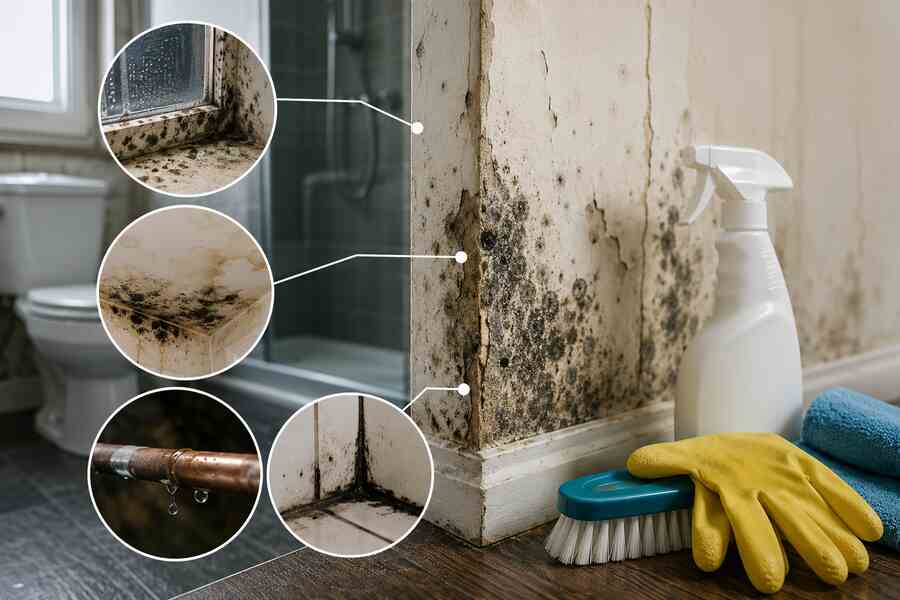
Have you ever scoured the mold from your bathroom wall, nodded with satisfaction, then tuned in to find a fresh colony has grown back? It appears so useless that it is almost mocking your efforts around the house. So you think, then why is it that so many of us are affected by this? The truth is that it could be because of reasons you would not have thought of. The wells behind walls, inadequate ventilation, condensation, and even minor, unnoticed leaks can be a constant source of moisture that cultivates the growth of mold. Surface cleaning in many cases may remove only the visible portion of a mold growth, while mold spores could be deeply embedded into the material.
Surface Cleaning Never Fixes Everything
Most homeowners take a spray bottle and wipe away mold without considering what’s beneath it. That only chisels away at what you can see on the surface. Mold root, hyphae, burrow silently into walls, grout, and wood surfaces , and even carpets, making professional remove deep carpet stains important in moisture-prone areas. If mold comes back after cleaning and treatment, it usually means that you never got to the root system of mold because your source of moisture was not solved. Once inside the packaging materials, the undetectable spores continue to grow and thrive on the moisture until the mold can begin to grow again in a week or less.
Moisture Hides Inside Your Walls
Mold will not develop on dry surfaces. It requires moisture to live and grow. Humid conditions are a must just for survival. Touching the outside might feel dry, yet that skin could still pull moisture from within. Hidden water damage mold is probably the most underrated of all the reasons for the mold’s continual return after cleaning. Water behind walls provides the perfect dark and damp breeding ground for mold colonies to establish.
Wrong Products Fail Every Time
A lot of spray cleaners are not equal, and most of the products you buy in the shop only kill the surface growth temporarily, at most. The reason for it is that bleach, for instance, does not properly get through to the porous surfaces like drywall, wood, or unsealed grout lines, so although they look white and clean on top, the mold spores are still alive beneath. This occurs all too often. Using the incorrect product is a very common reason mold will keep returning after every clean.
Poor Ventilation Quietly Feeds Mold
If you suspect that your bathroom, kitchen, or basement is the only place where you breathe, moisture buildup accelerates faster than you think. Since the humidity is so high (60%+), it’s an ideal environment for the mold spores to land on and grow unchecked. Using a fan or air extractor, opening the window, and turning the dehumidifiers on can sometimes have a real effect, but until the ventilation problems have been resolved, the mold will just return.
Hidden Water Damage Mold Spreads
Mold can be hidden behind tiles, under floors, inside walls, and around corners for months or years with no indication. It’s the same when there are leaking pipes, cracked foundations, and roof leaks. They can take a long time to find. You sniff the smell of ruin and see a definition and onrush over the mold that has already traveled a long way past, out of your view. Removing surface mould when you haven’t addressed that source of water is like baling out a vessel without chocking the opening.
Grout and Caulk Harbor Mold
Old and worn, cracked caulk and grout lines are like five-star resorts for mold spores to cozy up to. They hold moisture and organic material for the mold to live off forever. Just running a cloth on these surfaces will not remove mold that has taken hold deep in the cracks. Re-caulking and re-grouting the affected areas is usually required to really break the cycle of the mold coming back.
Spores Float Through Your Home
When you scrub mold with no precautions, you are really spreading thousands of spores into the air surrounding you. Those spores drift around in your house and land on other wet surfaces where they can, and colonization starts again somewhere else in your home. It’s one of the least appreciated reasons why mold keeps coming back after cleaning in many places. Decontamination and Spread Control means protective dressings and containment during cleaning as well as downtime.
Temperature Changes Invite Mold Growth
Mold does not take a day off in a year. It grows in summer without taking a rest in winter and grows in warm summer and cold, wet winter. This is why condensation happens on the cold wall and windows during winter, mostly in poorly insulated rooms throughout the house. So, this dampness promotes the rapid growth of mold, just like leak pipe or flooding over a period of time. unknowingly, if your house is different in temperature from room to room, then you could be creating the perfect breeding ground for mold.
DIY Cleaning Misses Hidden Damage
Consumers are great workers and resourceful, but the homeowners’ mold remediation is not at all an easy do-it-yourself weekend project. Without the moisture meters and accessories, all the hidden spots behind the wall could not be found under the floor or above the ceiling. Concealed water damage mold can run for entire wall cavities, you can appear perfectly fine from the inside, so this can be anywhere from a few feet to a few stories high! Getting a professional to inspect will save you a lot of time, money, and aggravation later on.
Take Care of the Root Cause First
Fixing where the dampness comes from matters more than anything else. A dripping pipe might be to blame, or water moving too slowly, bad runoff, or just excess moisture building up. Sort it out first. Only then does cleaning affected spots make real sense. The truth is, it is not really about mold at all. It is about air wetness being off balance. Get that under control and treated areas resist mold far better over time.
Prevention Plans Actually Stop Mold
Permanent mold prevention takes some habits that you need to do on a regular basis, not sporadic deep cleaning in response to the sudden appearance of filth. Dealing with mold means to look around places like the water heater, under kitchen and utility sinks, showers, tub, around toilets, and behind big appliances at least every 3 to 6 months. It’s important to get a decent dehumidifier to run in basement areas, or a room that is always damp or smells musty. This makes a lot more sense than going green cleaning at the first indication of mold.
Stop Fighting Mold This Way
If mold keeps coming back after clean up, then don’t worry, it’s not that you’re not doing the right thing or your home, it’s always through the hidden water damage mold that establishes an ideal environment for growth. Fixing the problem means lowering moisture levels first. Fresh air moving through helps a lot too. Choosing the right materials matters just as much especially when trying to get paint out of carpet without damaging the fibres. A trained expert can guide you if things get tricky. Tackling wetness at its source beats chasing damp marks every time. Your home and your health will thank you.
Related Posts
What Cleaning Frequency Works Best in Humid Climates
Cleaning Frequency for Humid Climates | Australia The humidity has its way of turning a…

Can AI Help Create Better Cleaning Schedules for Homes and Offices?
Cleaning Schedules: How AI Improves Home & Office Care Are dust bunnies making your home…

Ten Household Tricks to Cut Down on Cleaning Time
Have you ever wondered why some people can’t leave their homes alone until they’re clean?…